For decades, athletes have been told the same thing: “Push through it.” If you were hurt, tired, or struggling, you just powered on. Rest was for the weak. Tears were for someone else. And if you showed any sign of breaking, you risked being labeled soft.
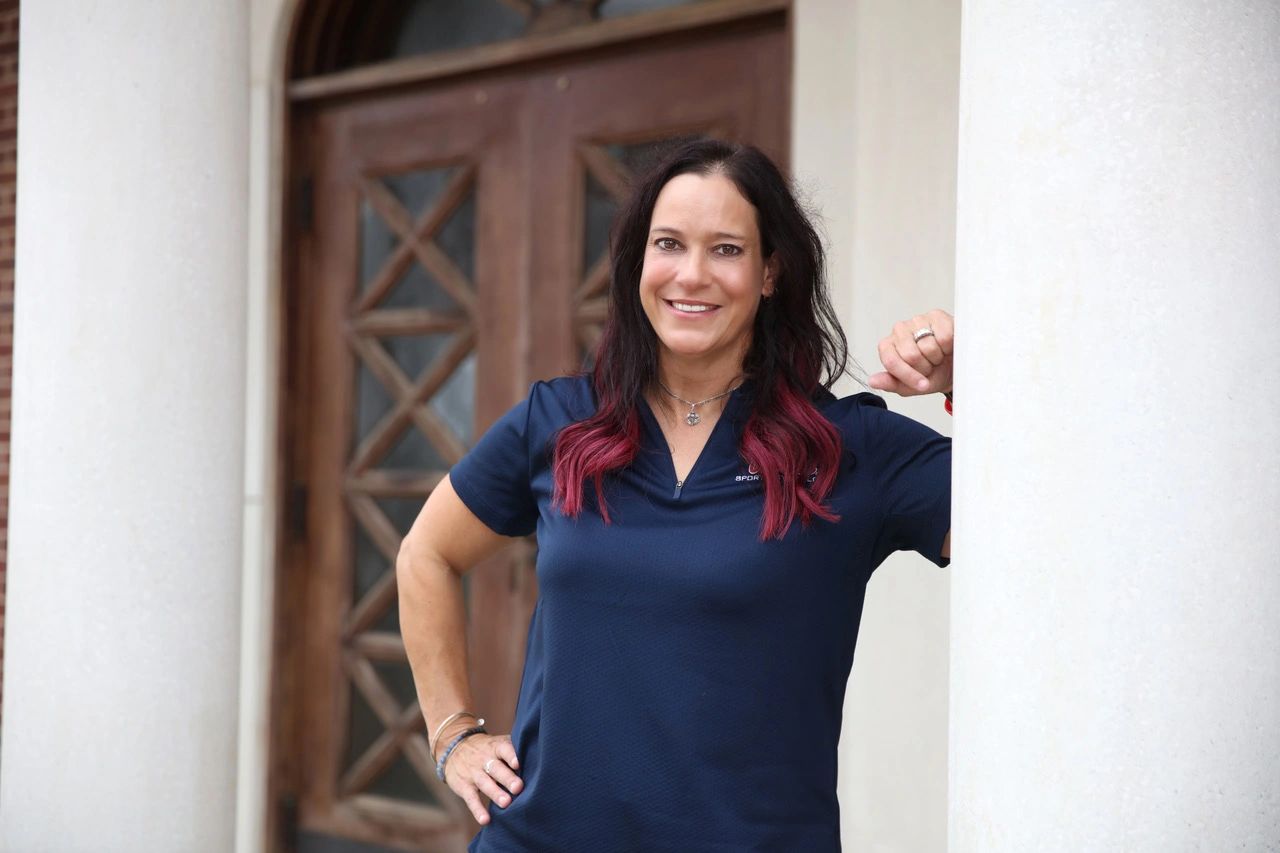
Dr. Josie Nicholson knows that world better than most. For 13 years, she served as the Director of Sports Psychology and Assistant Athletic Director at Ole Miss, right in the heart of SEC athletics. She’s seen the pressure that comes with performing at the highest level — and she’s seen the toll it takes when athletes never slow down long enough to breathe.
Now in private practice and host of the Unit3d podcast (with over 300 episodes!), Josie helps athletes and coaches learn that strength isn’t about ignoring pain — it’s about understanding it.
The Old Definition of Toughness
When Josie first started at Ole Miss, mental health was still taboo in athletics.
“At the time, coaches were afraid I’d make their athletes soft,” she recalls. “They thought if I taught them to feel, they wouldn’t be able to perform.”
The message across college sports was the same: if you’re struggling mentally, you keep it to yourself. But over time — and through real, honest conversations — that mindset started to shift.
The turning point came as athletes began speaking out, and coaches began to see that emotional awareness didn’t weaken performance — it improved it.
“The more whole you are off the field, the better you perform on it.”
That realization became a rallying point, and when Ole Miss football coach Lane Kiffin publicly backed mental health support for his players, the rest of the department followed.
“Once football got on board,” Josie said, “everyone else started to see it differently.”
Pain vs. Injury — Physically and Mentally
Athletes are trained to tolerate pain. To run through it, lift through it, and play through it. But Josie has spent her career helping athletes understand that what works on the field doesn’t always work in life.
Physical pain can become an injury if ignored. Mental pain can too.
“We tell athletes to listen to their bodies,” she says, “but few are taught to listen to their minds.”
That simple truth became especially clear in 2020, when COVID and cultural upheaval pushed everyone’s mental health to the edge. For many athletes, the mask of toughness finally came off — and what emerged was the understanding that rest isn’t weakness. It’s wisdom.
Rest vs. Recharge
Josie often uses a simple metaphor that hits home: your phone.
“If your phone is sitting there unused, it’s resting — but it’s not recharging. You only recharge when you plug it in.”
She explains that the same is true for people. Watching Netflix or scrolling on your phone might be restful, but it’s not always recharging.
Recharging means intentionally doing something that fills you back up — calling a friend, journaling, stretching, praying, or simply stepping away to reset.
“Self-care isn’t selfish,” she says. “It’s how you stay in the game for the long run.”
Boundaries: The Hidden Strength
One of the most powerful lessons Josie teaches is that setting boundaries isn’t weakness — it’s maturity. Athletes and coaches often struggle with this. The culture of sports tells them they should be available 24/7, always saying yes, always grinding.
But Josie reminds them that boundaries protect not only your time, but your energy and your relationships.
“You can’t pour into others from an empty tank.”
She’s learned this lesson personally — as a professional, a mom of two, and someone who made the courageous decision to leave a prestigious university role for a new season that better aligned with her values and her family life.
That decision wasn’t about quitting. It was about sustainability.
Redefining Mental Toughness
True toughness isn’t about pushing through everything. It’s about knowing when to pause, when to ask for help, and when to reset so you can come back stronger.
It’s about being human first, athlete second.
“Ignoring emotional pain doesn’t make you stronger,” Josie says. “It makes you brittle.”

As sports culture continues to evolve, Josie’s work — through her private practice and the Unit3d podcast — continues to remind athletes, coaches, and even everyday people that our performance in life comes from our wholeness, not our hardness.
Final Thought
Whether you’re an athlete, a coach, or just someone trying to show up your best every day, Josie’s message is clear:
“Rest isn’t quitting — it’s preparation.”
Strength isn’t found in silence or sacrifice — it’s found in self-awareness, humility, and the courage to care for yourself as much as you care for your goals.
Want to go deeper? Listen to my full conversation with Dr. Josie Nicholson on the ID Fitness Podcast, where we talk about mental health, coaching culture, and the lessons behind her 300-episode journey with Unit3d.